Resin & paving
Resin vs block paving: which driveway is right for you?
If you're replacing a tired drive in Stockport or anywhere across Greater Manchester, the choice usually comes down to two surfaces: resin-bound or block paving. Both look smart, both last well when they're laid properly, and both can be designed to drain the right way. The best one for you depends on your house, how you use the drive and the look you're after.
Here's how we explain the difference when we're stood on a customer's driveway during a free survey.
How they look
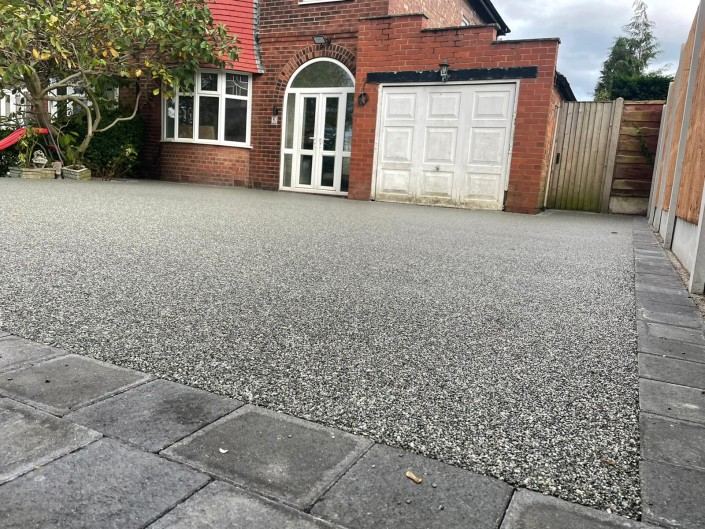
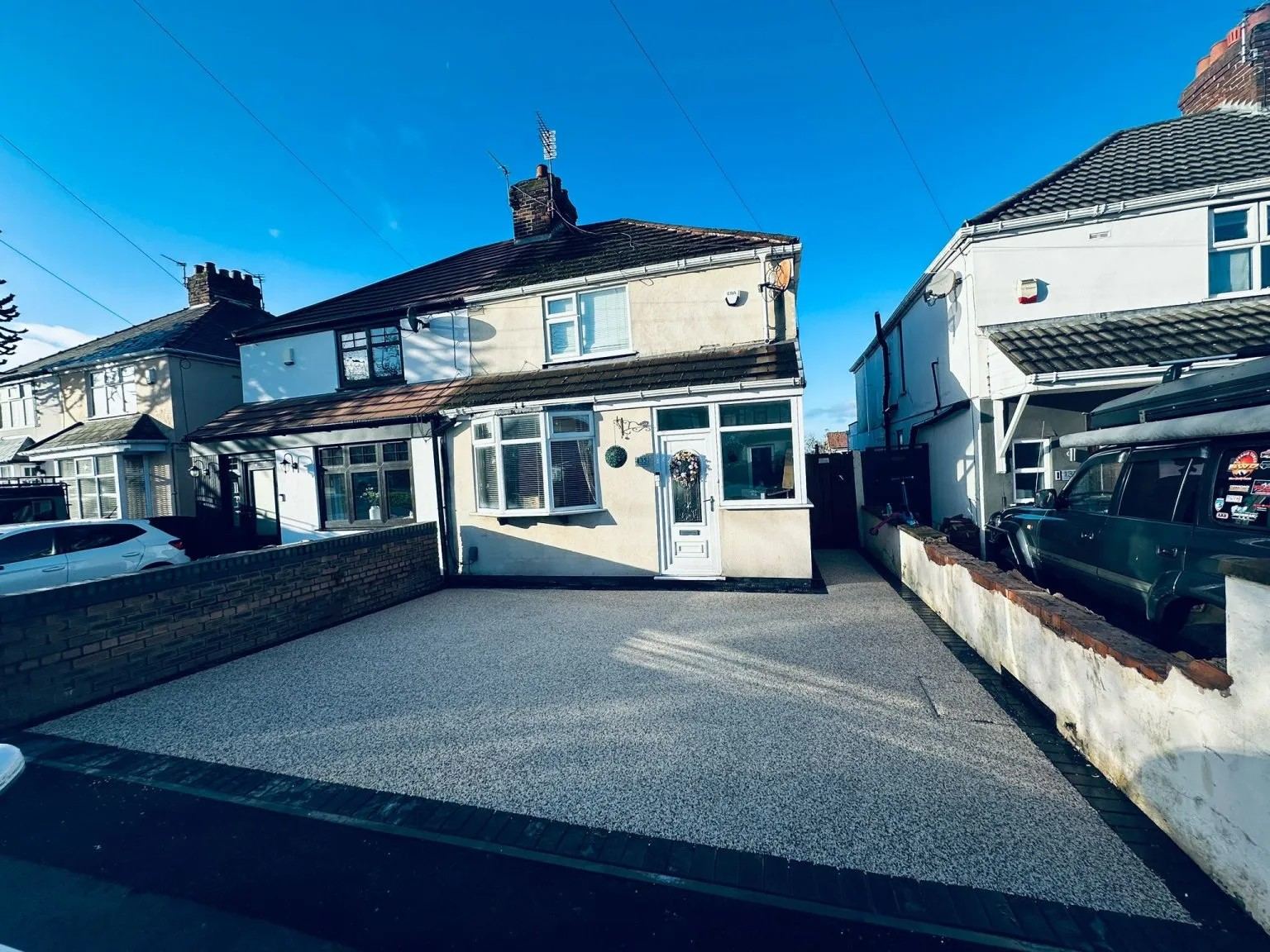
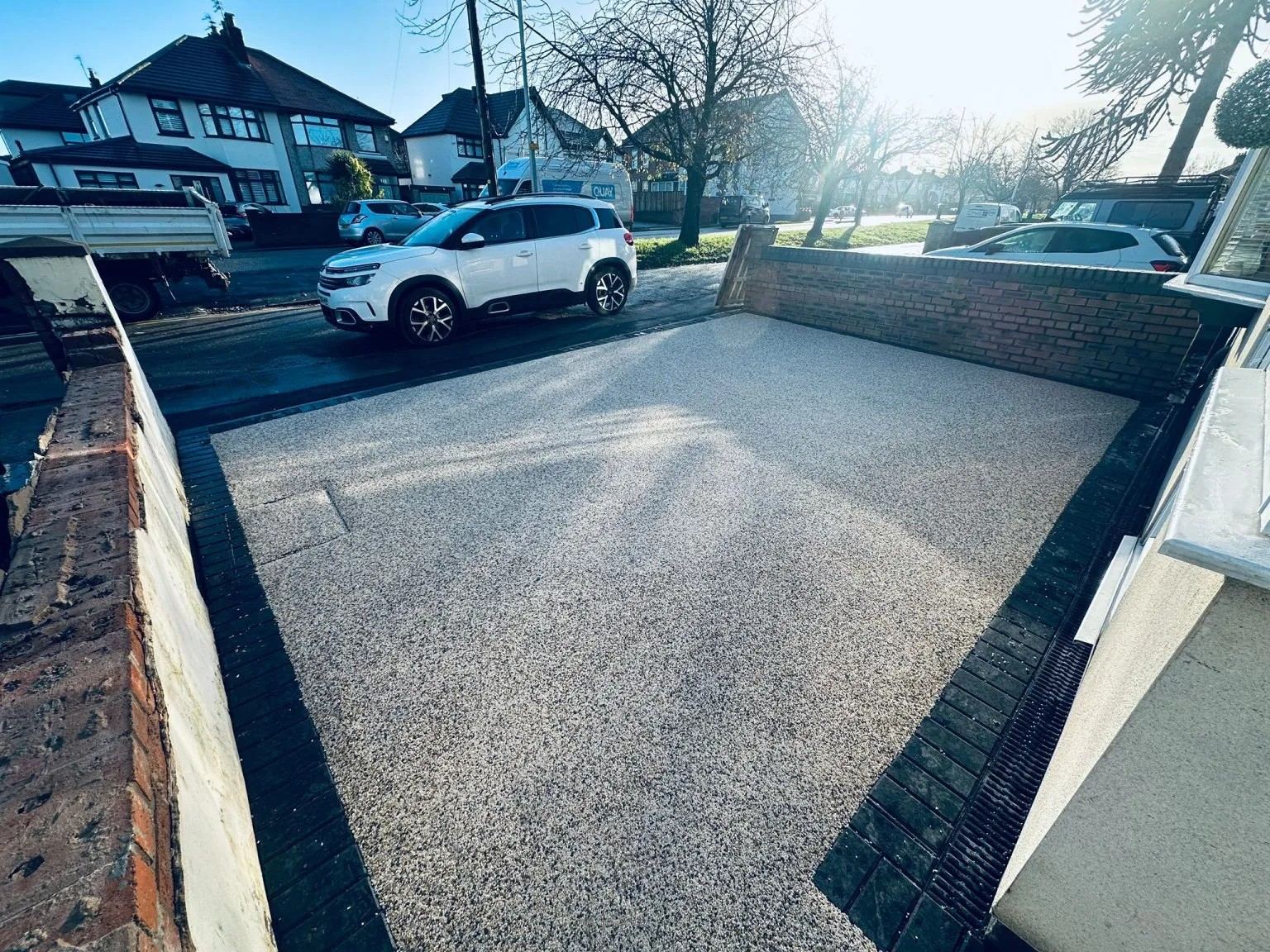
A resin-bound driveway is a smooth, seamless surface made from natural stone aggregate mixed with clear resin and trowelled flat. It has a clean, modern finish and comes in a wide range of blends, from warm golds to cool greys.
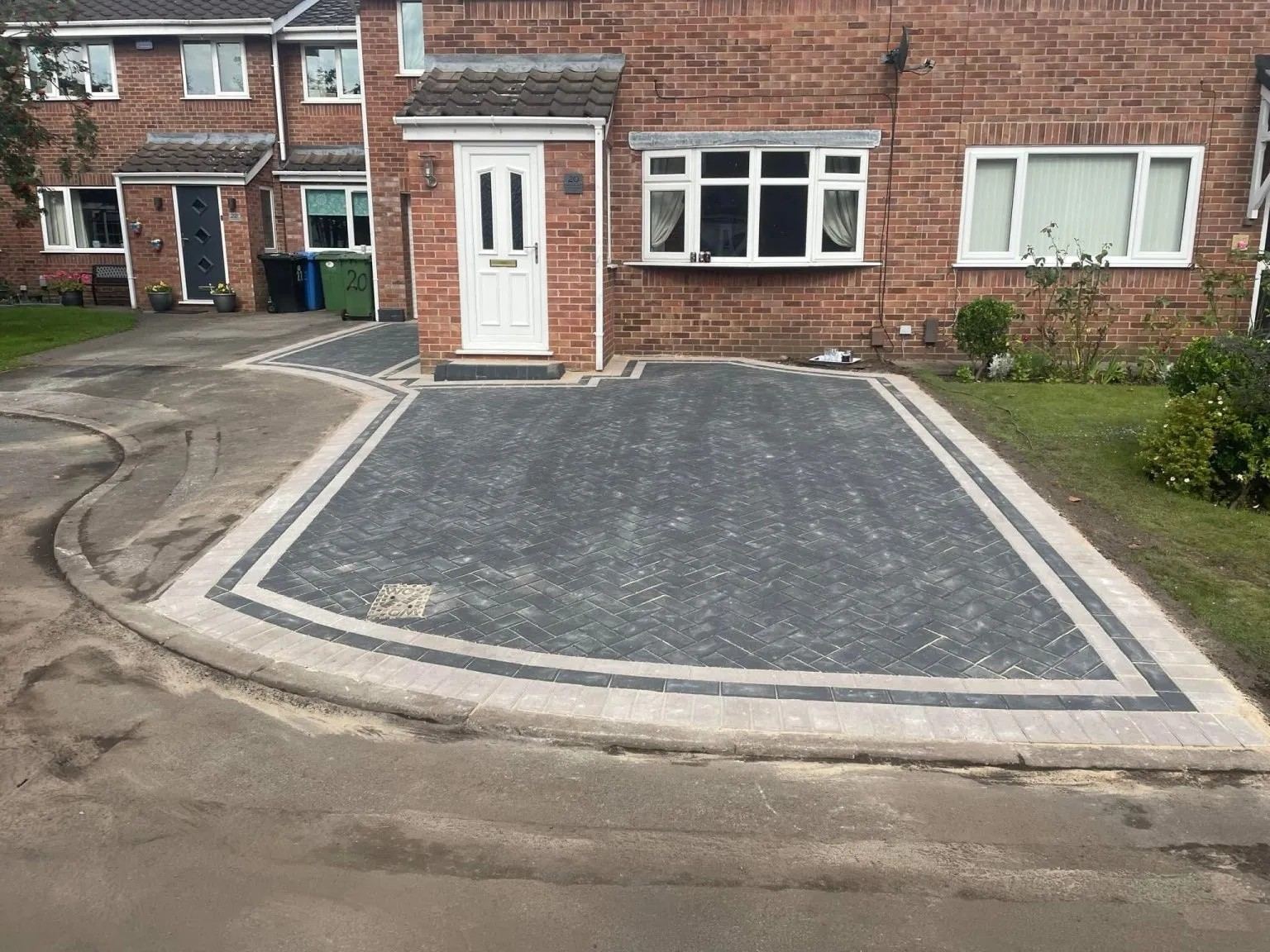
Block paving is made from individual concrete or clay blocks laid in a pattern. It has a more traditional, textured look and lets you play with borders, patterns and colour mixes. It suits period terraces and semis as well as newer homes.
Drainage and planning
Resin-bound surfaces are naturally permeable, so rainwater soaks through into a suitable sub-base rather than running off. Block paving can be permeable too if a permeable block system is used, or it can be laid with falls and a channel drain that sends water to a lawn, border or soakaway.
That matters for front gardens in England: you don't normally need planning permission for a new or replacement front driveway if it uses a permeable surface or drains to a lawn or border. Covering more than 5 square metres with a non-permeable surface that drains onto the road usually does need permission. Read more in our planning permission guide.
Maintenance
Resin needs a regular sweep and an occasional gentle wash to keep the pores clear. Block paving benefits from a sweep, topping up the jointing sand when needed and dealing with any weeds that try to root in the joints — see how to stop weeds in block paving.
Repairs and future work
One big advantage of block paving is that individual blocks can be lifted and relaid — handy if a utility company needs to dig, or a small area sinks. Resin can be patched, but matching an older surface exactly is harder, so it's worth getting the groundwork right first time.
Which one should you choose?
- Choose resin if you want a smooth, modern, permeable finish with minimal joints.
- Choose block paving if you like a classic look, want patterns or borders, or expect future digging.
- Combine them — a resin drive with a block-paved border is a popular way to get the best of both.
Whatever you choose, the hidden layers matter most: proper excavation, a well-compacted sub-base and the right drainage.