Planning
Drainage for driveways: permeable surfaces explained
We get our fair share of rain in Greater Manchester, so drainage is one of the most important parts of any driveway. Get it wrong and you'll see puddles, staining or water running towards the house. Get it right and you'll barely think about it.
What 'permeable' means
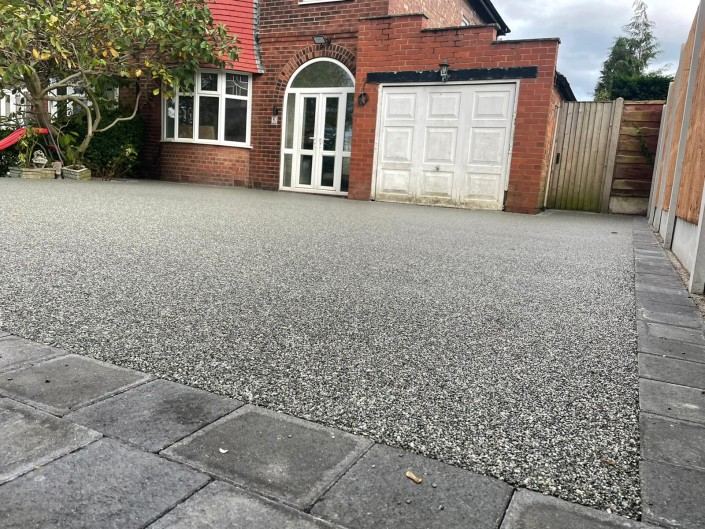
A permeable surface lets water pass through it into the layers below, where it soaks away gradually. Resin-bound driveways and permeable block paving are both designed to work this way when they're laid on a suitable base.
Impermeable surfaces need a plan
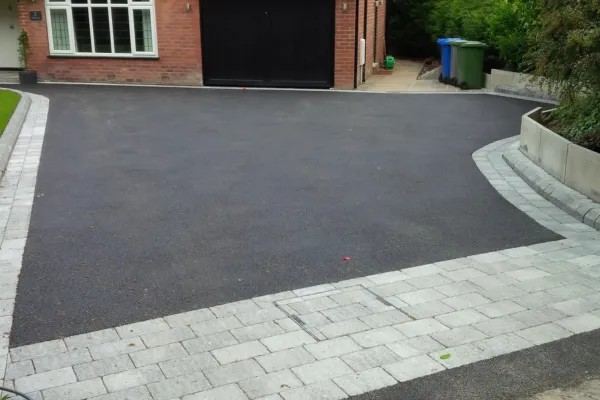
Standard block paving, tarmac and concrete shed water from the surface. That's fine as long as the drive is laid with falls (gentle slopes) that direct water to a channel drain, soakaway, lawn or border on your property — not towards the house or straight onto the road.
Channel drains and soakaways
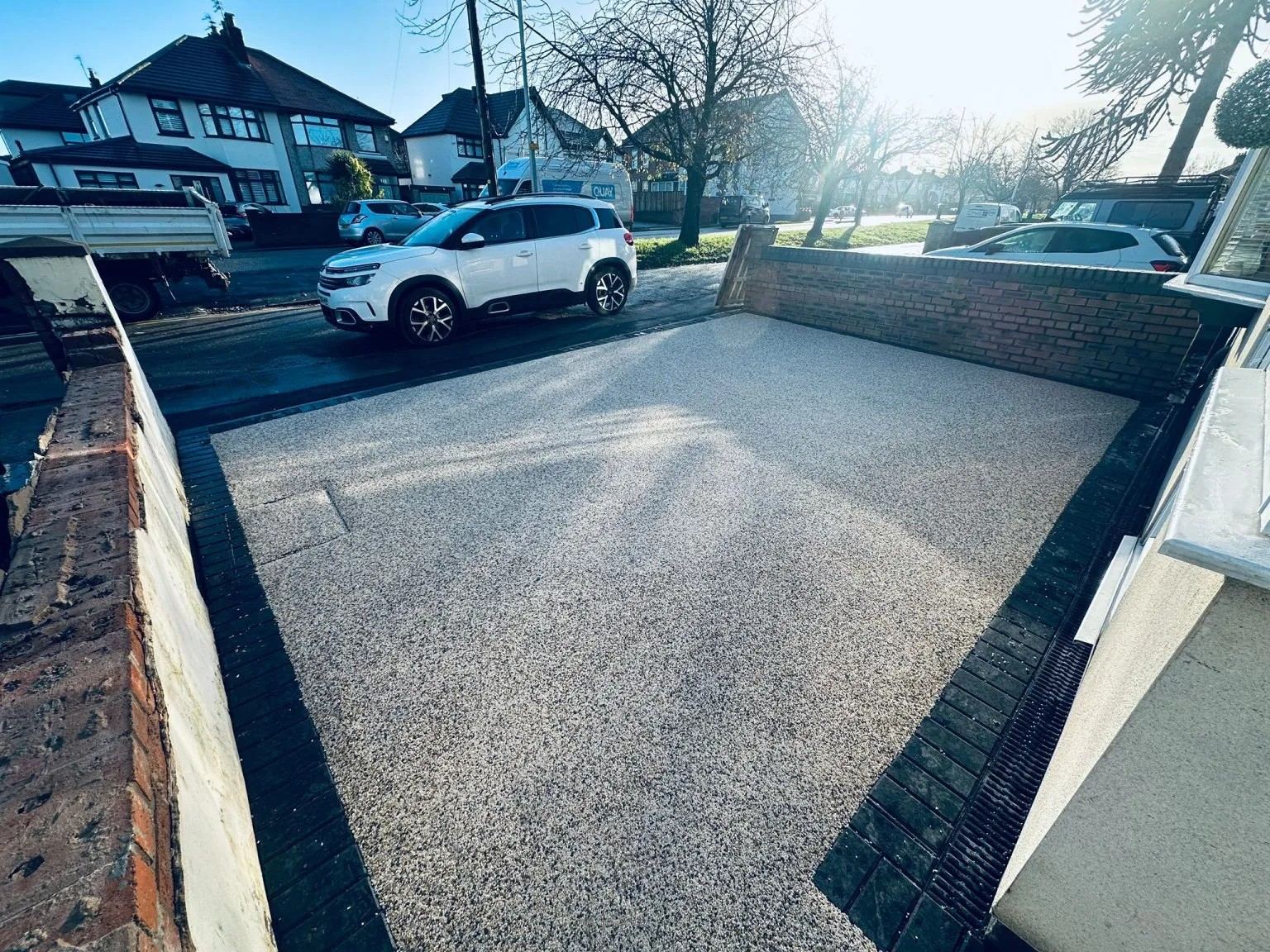
A channel drain is a slotted gully set into the surface, often across the bottom of a drive or in front of a garage, that catches water and carries it away. A soakaway is an underground area that lets collected water soak gradually into the ground.
Why it matters for planning
In England you don't normally need planning permission for a new or replacement front driveway if it uses a permeable surface or drains to a lawn or border. Covering more than 5 square metres with a non-permeable surface that drains onto the road usually does need permission. More in our planning guide.
Protecting your house
Driveways should sit below the damp-proof course and fall away from the walls. We check levels carefully at survey stage, especially on sloping plots common around Oldham and the Pennine edge.